Healing the Helpers: Addressing Secondhand Trauma Among Local Staff
Posted on December 17, 2025
Beliefs, Child, disability, education, Health, International, marginalized, stigma, vulnerable
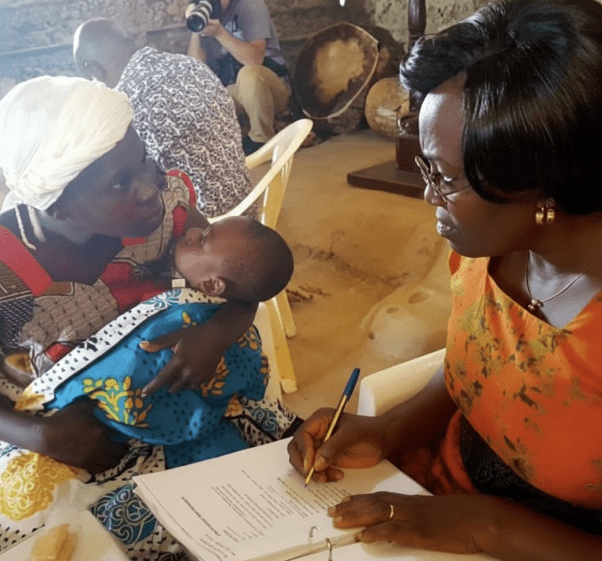
Caring for others changes lives, but it also takes a toll. Kupenda’s frontline staff in Kenya regularly walk alongside families facing stigma, trauma, and profound hardship related to societal perceptions of disability. Their counseling restores hope, strengthens families, and opens pathways to inclusion—but absorbing these stories day after day places a significant emotional weight on local staff. This blog explores why vicarious trauma is so common among helping professionals, how it affects Kupenda’s team, and the many ways the organization invests in their well-being.
Kupenda for the Children’s advocacy center is located in Kilifi, Kenya, a coastal county home to approximately 1.5 million Kenyans. Kilifi is one of the country’s most impoverished regions, limiting access to critical services and interventions. These limitations, combined with pervasive stigma and harmful beliefs about disability, create significant challenges for people with disabilities and their families. Many face social judgment and exclusion, physical abuse and neglect, limited access to quality medical care, and inadequate educational and career opportunities, among countless other injustices.
Each year, Kupenda offers counseling to hundreds of families affected by disability, helping them process and respond to these experiences. These sessions change everything for families: they restore hope, shift perspectives, and open new paths forward.
The Hidden Cost of Caring
These counseling sessions, however, place a heavy emotional and psychological strain on Kupenda’s local staff, who regularly absorb the pain and trauma shared with them. This emotional weight is known as vicarious, or secondhand, trauma.
Vicarious trauma, caused by ongoing exposure to the traumatic stories of others, is highly prevalent among mental health providers. Research shows that up to 74% of these professionals experience its effects, with rates even higher in low-income regions where stigma is strong, resources are scarce, and institutional support is limited.
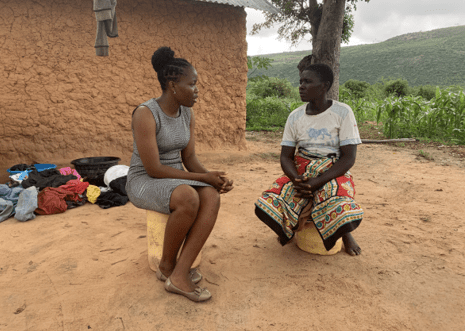
Kupenda staff in Kenya counseling a family member
Martha Omar, Kupenda’s Mental Health Officer, explained,
“Sometimes you can meet a parent and they share their stories, and… it can really affect you. When you leave work, you can still be thinking about what you heard from a parent or a caregiver. When you are exposed to traumatic stories, you reach a point where it is a lot, and if you don’t know how to take care of yourself, it can overwhelm you.”
How Kupenda Supports Its Frontline Staff
To protect its staff, Kupenda provides counseling with trained professionals, fosters a supportive culture and leadership, maintains healthy boundaries, and develops and shares practical resources to strengthen emotional resilience. Kupenda’s local leadership also arranges retreats, group therapy, and social events to support the team’s holistic well-being
Kupenda’s work brings powerful change to families affected by disability, but lasting change requires caring for the caregivers, too. Would you consider supporting caregivers who carry these stories every day? You can make a difference by helping ensure they receive the care and resilience-building support they need to continue this life-changing work. When frontline staff are supported, protected, and empowered, they can continue offering the compassion and expertise that transform entire communities.
Want to keep updated on Kupenda’s work?
Follow us on Facebook, Instagram, LinkedIn, YouTube, and X.
Learn more about Kupenda in our podcast.
Sign up for our newsletter.
Or provide a child scholarship for just $35 / month.

Leave a Reply