Education Without Exclusion: Keeping Children with Disabilities in Their Communities
by Lauren Blair
Posted on January 26, 2026
Beliefs, Child, disability, education, Health, International, marginalized, stigma, vulnerable
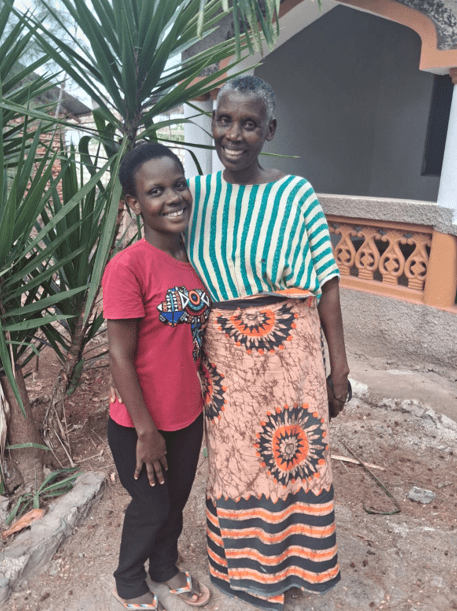
In Kenya and many other low-income countries, children with disabilities face significant barriers to accessing education. Deep-rooted stigma often leads communities to believe that disability is a curse and that children with disabilities are incapable of learning or attending school alongside their peers without disabilities. As a result, only an estimated 2% of children with disabilities are given the opportunity to attend school. Among those who do enroll, many are placed in special schools or institutions, far from their families and homes.
The Barriers
These attitudes shape how disability is understood and addressed within education systems. Even disabilities that do not affect academic performance, such as a missing finger, can be viewed as an insurmountable obstacle to schooling. For children who do gain access to education, the options are often limited to specialized schools located far from home. Families must choose between long, costly travel or separation through boarding facilities, both of which place emotional and financial strain on children and caregivers.
While Kupenda continues to support children within the existing education system, it partners with local governments and communities to achieve the goal of strengthening inclusive education in mainstream schools.
The Path Forward
Inclusive education allows children with disabilities to learn alongside their peers in mainstream schools, with the support they need to participate fully. While some children require specialized learning environments, many do not. Physical disabilities, mobility needs, differences in communication, or intellectual or psychosocial disabilities should not automatically exclude a child from mainstream education when appropriate supports are in place. With reasonable accommodations and informed teachers, most children with disabilities can thrive both academically and socially.
Kupenda believes that every child belongs in their community and that diversity is a normal part of life. Inclusive education allows children to remain close to their families while growing up and building important relationships within their communities.
The Proof
One powerful example is Faith, a young girl whose childhood was marked by brittle bone disease and rickets, which required multiple surgeries by age eight. Her frequent injuries and need for rest were misunderstood by teachers and peers, who assumed it was the result of laziness. After a particularly serious injury led to hospitalization and a prolonged absence, Faith became afraid to return to school, fearing harm and hostility from those around her.
Kupenda intervened by visiting Faith and her parents at home and working directly with her school to promote inclusion and understanding. Through these conversations, the school learned about her disability and how to support her safely and respectfully. Kupenda also provided mobility support, including a walking frame and wheelchair. With the right support and a change in attitudes, Faith returned to school and completed her education in 2025 with a strong academic record. Today, she is preparing for college.
Over the years, Kupenda has learned that, when children with and without disabilities learn together, entire communities benefit. Empathy grows, stigma fades, and difference is respected rather than feared. Would you consider joining us in this work? Your support not only makes inclusion possible—but life-changing.
Want to keep updated on Kupenda’s work?
Follow us on Facebook, Instagram, LinkedIn, YouTube, and X.
Learn more about Kupenda in our podcast.
Sign up for our newsletter.
Or provide a child scholarship for just $35 / month.

Leave a Reply