When Outbreaks Strike, Disability Inclusion Cannot Be an Afterthought
by Lauren Blair
Posted on June 27, 2026
Beliefs, Child, disability, education, Health, International, marginalized, stigma, vulnerable
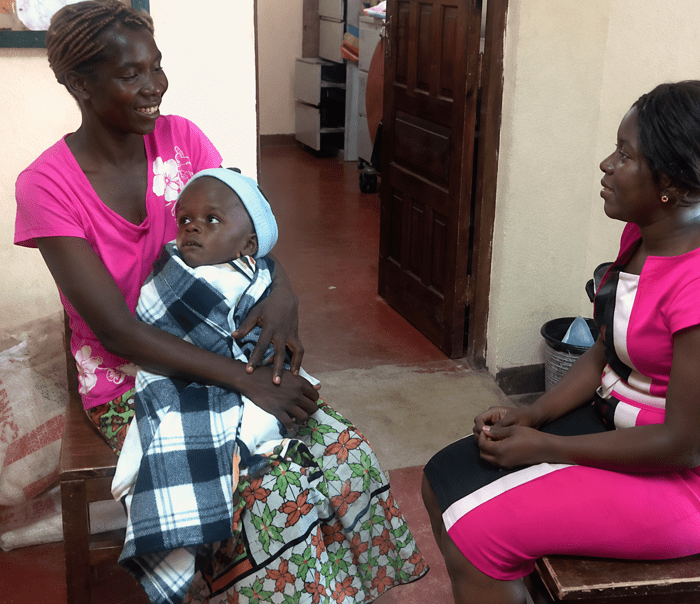
When *Moses became seriously ill, his family feared they were running out of options. Doctors believed the shunt used to treat his hydrocephalus was infected and told them that nothing more could be done. But when Kupenda helped him reach a medical professional experienced in disability-inclusive care, the doctor discovered the real problem: Moses had HIV and needed treatment. His experience highlights how gaps in disability-inclusive healthcare can delay the diagnosis and treatment of infectious diseases. This challenge becomes even more critical during emergencies such as the current Ebola outbreak in Central and East Africa. Emergencies can magnify existing inequities, leaving people with disabilities at greater risk, less because of their disabilities and more because systems and services are too often designed without them in mind.
Double Vulnerability
For children and adults with disabilities, infectious disease outbreaks often create a double vulnerability. They are more likely to experience poverty, stigma, and barriers to healthcare, while also facing exclusion from prevention and response efforts.
During an Ebola outbreak, access to information can save lives. Yet health messages are often unavailable in accessible formats for people who are deaf, blind, or have intellectual disabilities. Transportation barriers, inaccessible clinics, and limited disability training among health workers can further delay diagnosis and treatment.
History has shown that people with disabilities are frequently overlooked during public health emergencies. Studies following previous Ebola outbreaks found that many people with disabilities were excluded from health services and response activities because accommodations were not built into emergency planning.
Building Health Equity
At Kupenda, we believe no one should be left behind during a health crisis. We train community leaders and healthcare workers on disability inclusion, provide medical support such as referrals, emergency transportation, and prevention information, work directly with families to promote vaccination, nutrition, hygiene, and early care-seeking behaviors, and advocate for more accessible healthcare systems.
Inclusive outbreak responses require accessible health information, disability-friendly healthcare facilities, trained health workers, and meaningful involvement of people with disabilities in planning and decision-making. When communities understand the needs and rights of people with disabilities like Moses, health interventions become more effective. Today, Moses is thriving. His mother shared:
“Now Moses can sleep, and he can smile. I can see him growing like any other child.”
As the world responds to Ebola and future outbreaks, disability inclusion is not just good practice; it’s essential to saving lives. By building health systems that are accessible, inclusive, and responsive to all people, we can create communities that are better prepared for whatever challenges lie ahead.
*Name changed for privacy
Want to keep updated on Kupenda’s work?
Follow us on Facebook, Instagram, LinkedIn, YouTube, and X.
Learn more about Kupenda in our podcast.
Sign up for our newsletter.

Leave a Reply