Building Livelihoods Programs That Include Caregivers and Youth with Disabilities
Posted on July 28, 2026
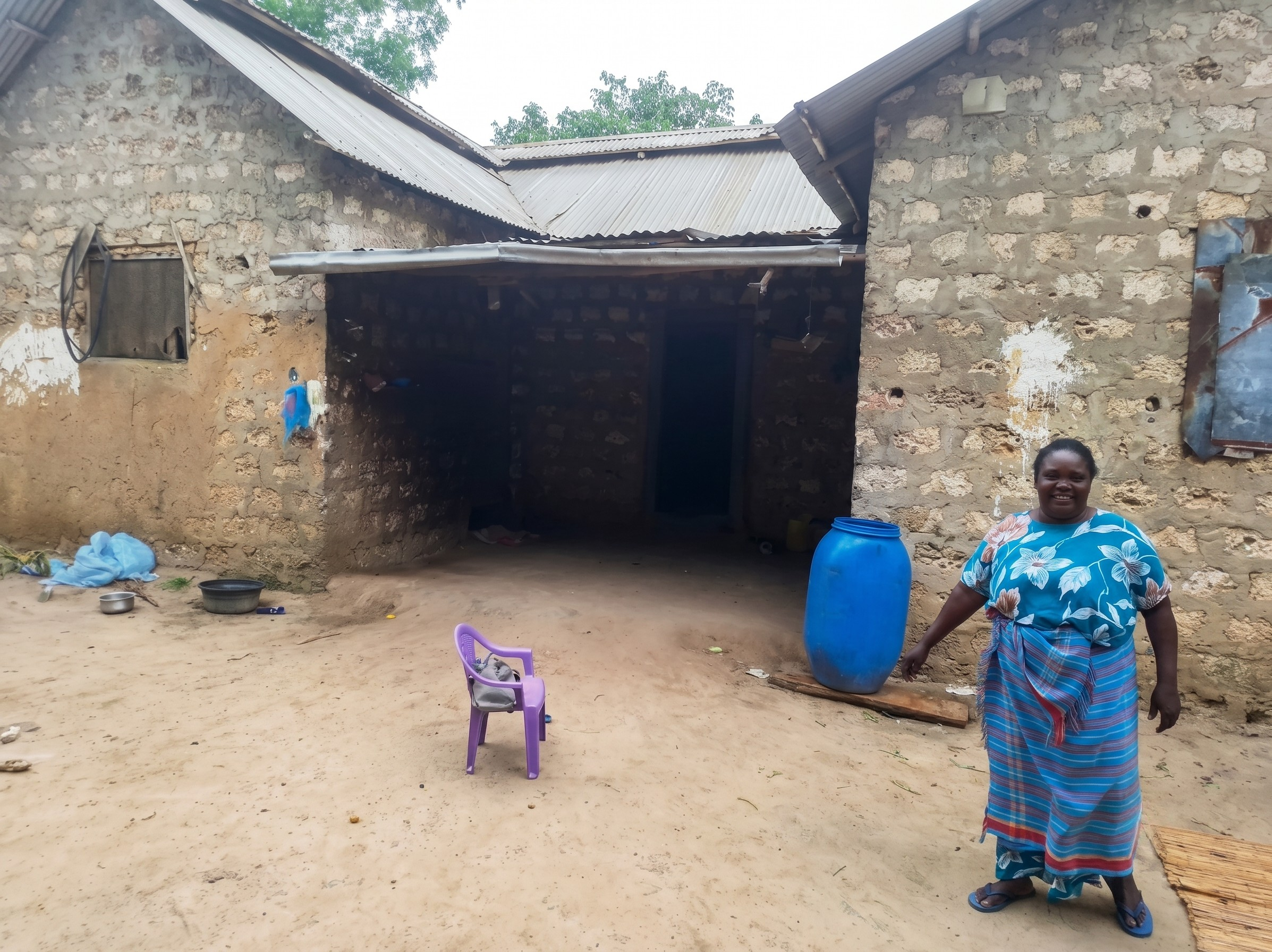
For years, Lea worked hard to support her family in rural Kilifi, Kenya. But her income from farming and small businesses was seasonal and unpredictable. Caring for her son Samuel, who has Down syndrome, also required significant time and attention, limiting how consistently she could work. Her family often struggled to afford food, healthcare, clothing, and other basic needs.
Kupenda enrolled Lea in its Inclusive Livelihoods Program, where she received practical training in business planning, budgeting, financial management, customer care, record keeping, saving, and reinvesting profits. As part of the program, Kupenda also gave her a microloan, which she used to grow a roasted chicken business and establish a water-selling enterprise. One of Kupenda’s business mentors continued to contact her monthly and visit regularly to answer questions, address challenges, and help her businesses grow. Today, Lea earns a more reliable income and is better able to care for Samuel and meet her family’s daily needs.
Lea’s story also shows why livelihoods programs must be intentionally designed for disability inclusion.

Lea and her son Samuel
Caregivers of children with disabilities often face time constraints, lost income, transportation barriers, and responsibilities that make standard training schedules difficult. Youth with disabilities may need accommodations related to communication, mobility, reading, writing, or ongoing support. A program can be technically open to everyone while still being inaccessible in practice.
Based on lessons from our two-year pilot with 71 participants, Kupenda and Kuhenza have developed Inclusive Livelihoods Programs: Practical Guidelines for Nonprofits. The resource is designed for organizations that already operate livelihoods programs and want to make them more inclusive, as well as those building new programs with inclusion in mind.
The guidelines include practical recommendations such as offering flexible schedules and caregiving breaks, providing childcare and travel assistance, using accessible venues, allowing support persons, adapting training materials, and building in extra time for questions and practical learning. They also recommend simple, achievable business plans, sustained mentorship, carefully structured microloans, and safeguards against financial exploitation.
We are now sharing these guidelines with nonprofits so that more youth with disabilities and caregivers like Lea can participate fully, build sustainable incomes, and strengthen their families’ futures.
Want to keep updated on Kupenda’s work?
Follow us on Facebook, Instagram, LinkedIn, YouTube, and X.
Learn more about Kupenda in our podcast.
Sign up for our newsletter.


Leave a Reply