“You Became Our Family”: Amina’s Story
by Lauren Blair
Posted on September 30, 2026
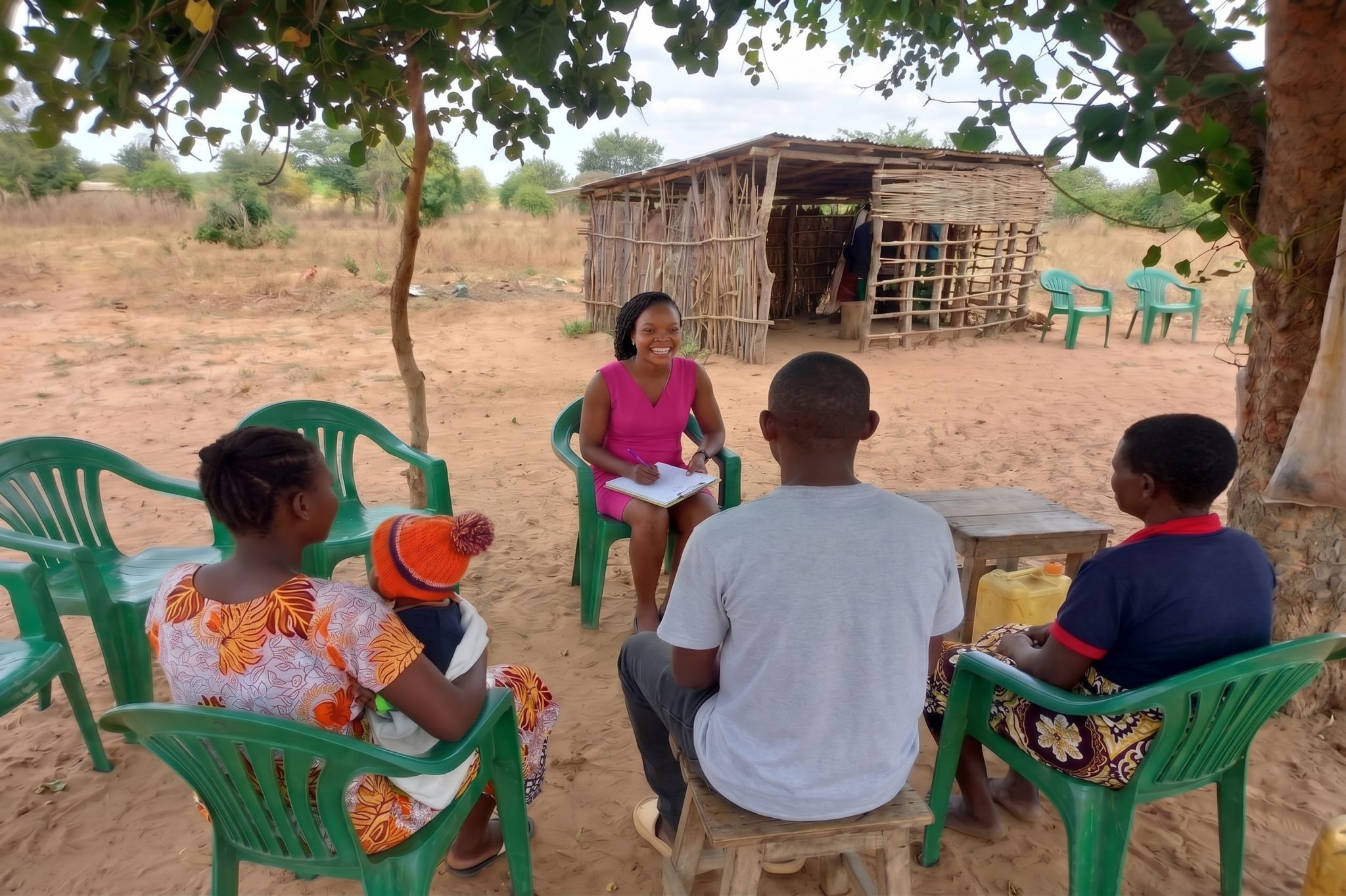
When *Amina was born with spina bifida and later developed hydrocephalus and epilepsy, her family faced more than mounting medical needs. They also experienced stigma, rejection, and harmful beliefs about disability. But after years of searching for care and exhausting their resources, a connection to Kupenda gave Amina’s family the medical support, information, and community they desperately needed.
A Long Search for Care
The family’s search for medical care began as soon as Amina was born with spina bifida. Her parents traveled from hospital to hospital, eventually finding someone who could perform life-saving surgery. But getting their daughter the care she required came at a significant cost, causing them to sell their livestock to pay the bills.
Later, Amina developed hydrocephalus and epilepsy, requiring a shunt and multiple hospital visits. Her family faced these challenges largely alone. Her father recalled:
“Family members did not want to be associated with us … people stigmatized us and advised us to kill the child. Some false pastors told us that [we] had sinned against God [and] that is why we had a child with a disability as a punishment. All these [things] made us feel pain. … We lived an isolated life.”
When Amina’s medical needs continued, her family returned to the hospital but could not afford additional testing. With nowhere else to turn, her father stated:
“We gave up. We knew it was the end of our child. We did not even have transport to take us back home, so we were sheltered in Mombasa. … Fortunately, I met one parent who referred me to Kupenda, as she had got some support before. … After a few days, a well-wisher … helped us with transport money to go back home. At home, we tried fundraising at the community, but people did not give. … I convinced my siblings to sell a piece of land … but they went behind my back, sold the land and divided the money amongst themselves, leaving me out. I did manual jobs and got some cash, but it was not enough. … I prayed that things would work out, because we didn’t have anywhere to get support.”
“They Would Walk with Us”
Amina’s mother followed the advice she had been given and traveled to Kupenda for support. She stated:
“For the first time, I got someone talking to me about my child’s condition, because all along, even the doctors did not make me understand. … When [Kupenda] assured me that they would walk with us, I couldn’t hold my tears but cry, it was a miracle to me.”
Kupenda helped Amina access neurological care and epilepsy medication and arranged for further testing, which revealed that her shunt was blocked. Kupenda then supported the family with transportation, hospital expenses, follow-up care, and treatment. Her parents also received nutrition training to support Amina’s health at home. Over time, her health significantly improved. Her mother shared:
“My child’s health has greatly improved. The seizures that would occur 4 times a day have been controlled. It’s 6 months down the line since she had a seizure attack. My child feeds well now, [and] she is a very healthy and beautiful baby. She can now afford a smile [and] hospital visits have reduced. All these [things] make me happy and relieved as a mother.”
Another Chance to Be in This World
For Amina’s parents, the support meant more than medical care. After experiencing rejection from those around them, they found people willing to stand beside them. Amina’s mother shared:
“You became our family after my husband and I were left by family. … Were it not for you, I don’t think my daughter and I would be alive today. You saved our lives.”
Her father shared:
“Kupenda, you have been my mother, my father, and my everything. Since the time we knew about you, you have stood with us. You have been supportive to my daughter. With all the challenges we went through, you decided to walk with us. We do not have any other family. You are our family.”
*Names have been changed to protect the privacy of the individuals featured in this story.
Note: This photograph was modified using artificial intelligence to protect the identities of the family described in this article.
Want to keep updated on Kupenda’s work?
Follow us on Facebook, Instagram, LinkedIn, YouTube, and X.
Learn more about Kupenda in our podcast.
Sign up for our newsletter.


Leave a Reply