Protecting Girls with Disabilities from Child Marriage
by Jemeya Joe
Posted on October 8, 2026
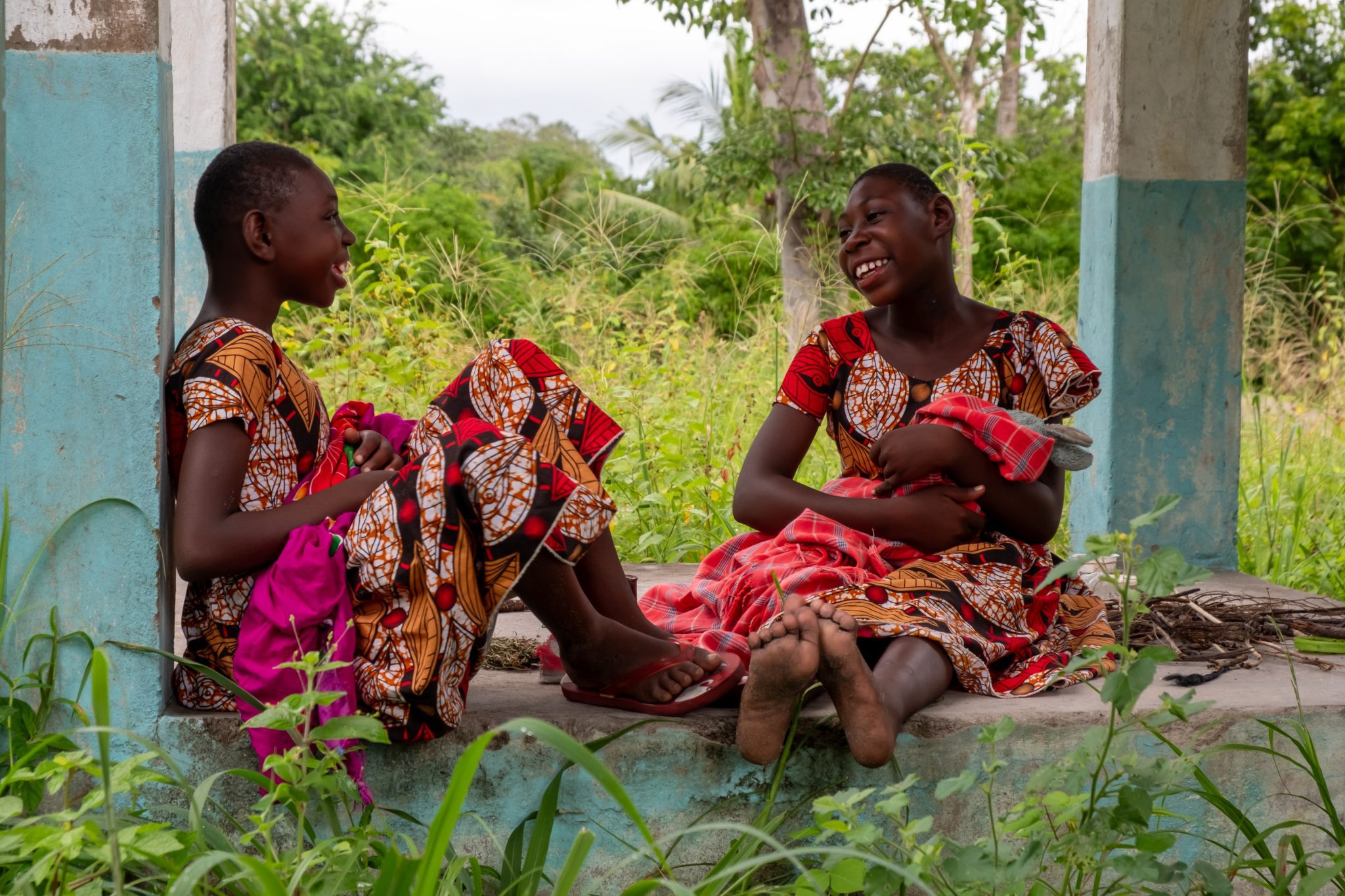
Kupenda works to address many of the barriers and risks facing children with disabilities. But one issue that may be less familiar is the increased risk of child marriage. Research shows that girls with disabilities are more likely to be married as children than those without disabilities, making this an important, but often overlooked, disability rights issue.
What the Research Shows
A 2023 study published in the Journal of Adolescent Health looked at data from several fragile countries. These are countries that are fac. The same study found that women with disabilities were 1.62 times more likely to have experienced child marriage than women without disabilities. The study also found that women with disabilities who had been married as children were 1.78 times more likely to experience violence from a partner in the past year.
This pattern shows up in other research too. A study in the National Library of Medicine covering 37 low-income countries found that at almost every age, women with disabilities were more likely to have been married as children than women without disabilities. This was especially true for girls married before age 16.
UNICEF points out why this happens: Being kept out of school, living in poverty, and living far from services are the biggest reasons children get married early. Girls with disabilities are more likely to face all three of these problems because of stigma and barriers that keep them out of school and community life.
What’s at Stake
Child marriage is not just a statistic, it can change the course of a girl’s life. Marrying young almost always means leaving school early. Each year of marriage before 18 lowers a girl’s chances of finishing secondary school. Without that education, a girl’s economic opportunities are reduced. Marriage at a young age also means early pregnancy. Pregnancy at a young age carries health risks such as an increased risk of maternal and infant death.
The impact of child marriage extends beyond one girl’s life. It increases gender inequality by limiting a girl’s access to education, independence, and future opportunities in ways that boys do not experience. For girls with disabilities, these risks are compounded by the stigma and barriers they may already face.
A Mother’s Words
For families supported through our programs, education can change everything. One mother shared:
“The journey of my child’s education has been successful thanks to [Kupenda]. Were it not for you, it wouldn’t have been possible, and my child could maybe be a victim of early marriage, but through you, you have raised the dignity of our family. May you be blessed.”
Keeping a girl with a disability in school does more than protect her education. It helps protect her childhood, her choices, and her future.
Want to keep updated on Kupenda’s work?
Follow us on Facebook, Instagram, LinkedIn, YouTube, and X.
Learn more about Kupenda in our podcast.
Sign up for our newsletter.






Leave a Reply