International Epilepsy Day: Closing the Care Gap for Children with Epilepsy in Kilifi, Kenya
Posted on February 23, 2026
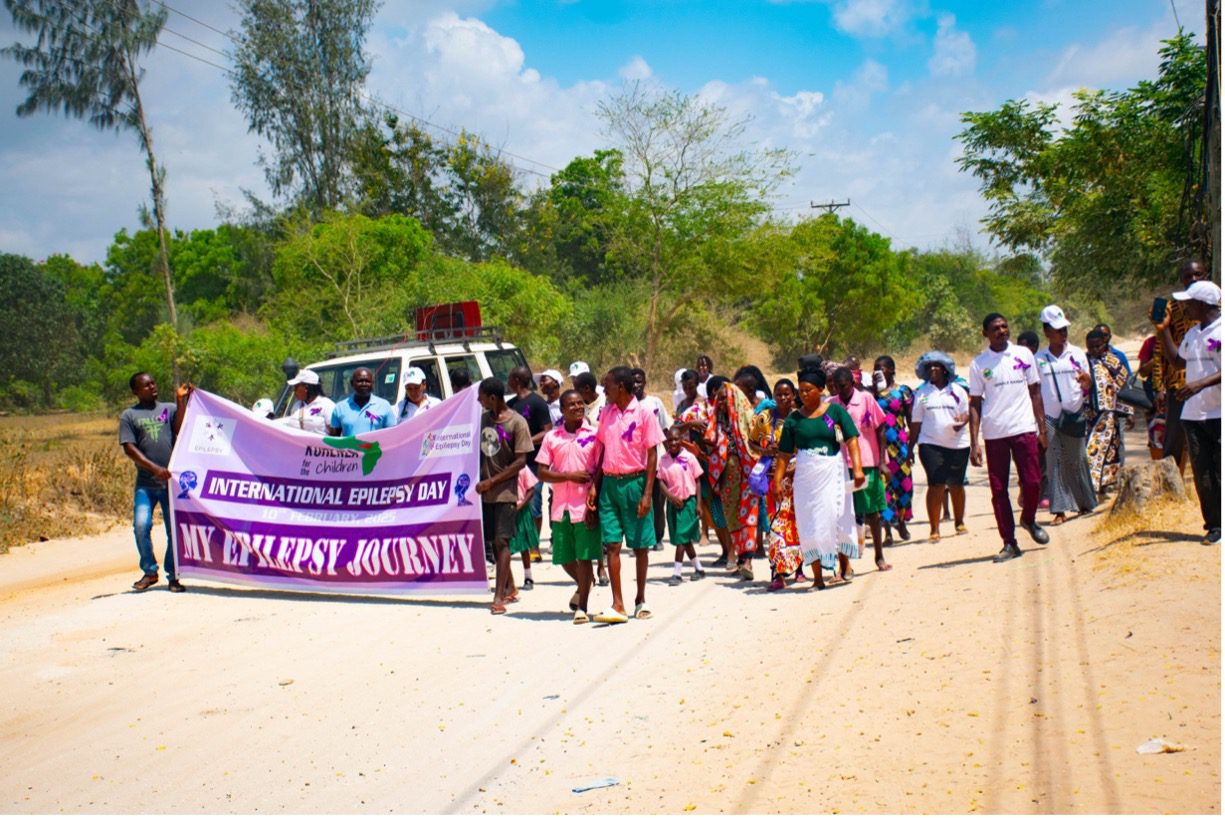
Epilepsy is one of the most common neurological conditions in the world, yet it remains widely misunderstood and under-treated—especially in low- and middle-income countries. For children, lack of treatment can mean frequent seizures, disrupted development, exclusion from school, and life-threatening medical emergencies. However, with the right medication and follow-up care, many children with epilepsy can achieve seizure control and live healthy, full lives.
A Growing Care Gap in Kilifi County
Over the past year, children with epilepsy in Kilifi County, Kenya, have faced a rapidly growing crisis. Several key sources of support were lost in quick succession, creating a dangerous gap in care for families who were already struggling.
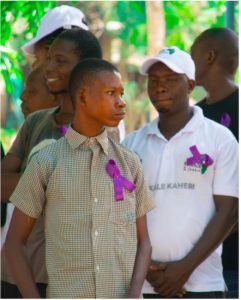
Attendees wearing purple ribbons for Epilepsy Day
U.S. Agency for International Development (USAID)-funded programs that helped vulnerable children access referrals, transportation, and anti-seizure medication were abruptly halted following a U.S. government foreign aid funding freeze. Soon after, the Kenyan Medical Research Institute’s (KEMRI) epilepsy clinic—the region’s only specialized epilepsy clinic—closed when grant funding ended.
These changes left many families without access to neurologists, consistent follow-up, or the full range of medications needed to manage epilepsy. Public hospitals are under-resourced, and while the Kenyan government is providing some medication, it currently covers only a portion of the total need. Children with more complex epilepsy are especially at risk of uncontrolled seizures and medical emergencies.
Stigma Compounds the Risk
Medical barriers are compounded by stigma. In many communities, epilepsy is still misunderstood and sometimes attributed to curses or spiritual causes rather than recognized as a medical condition. These beliefs can delay care, discourage medication adherence, and isolate children from their communities—putting their health and safety at even greater risk.
Kupenda’s Response

Kupenda staff speaking during an International Epilepsy Day event
At the request of Kilifi County health leaders, Kupenda has stepped in to help bridge this urgent gap. Working in close partnership with the Ministry of Health and Malindi Sub-County Hospital, Kupenda is supporting children with epilepsy who currently lack reliable access to care.
Our response focuses on both immediate, life-saving support and long-term systems strengthening. Children are receiving uninterrupted access to essential anti-seizure medications, ongoing medical monitoring, and follow-up care. Kupenda also provides counseling and targeted training for caregivers to improve treatment understanding and medication adherence.
In parallel, we are leading community education efforts to reduce stigma and promote early care-seeking, while tracking health outcomes through our case management system and sharing data with county officials. This coordination helps strengthen public-sector planning and builds toward sustainable, government-led epilepsy care.
Looking Ahead
This month, as we celebrate International Epilepsy Day, we are reminded that epilepsy care is both achievable and essential. No child should face preventable seizures or life-threatening complications because care was out of reach.
Kupenda remains committed to standing with children with epilepsy and their families—responding to urgent needs today while helping build a stronger, more inclusive system of care for the future.
Want to keep updated on Kupenda’s work?
Follow us on Facebook, Instagram, LinkedIn, YouTube, and X.
Learn more about Kupenda in our podcast.
Sign up for our newsletter.
Or provide a child scholarship for just $35 / month.


Leave a Reply