A Journey Back from Despair: A Mother Tells Her Story of Healing
by Kupenda
Posted on September 24, 2026
Content Warning: This first-person story includes references to severe emotional distress, disability-related stigma, child neglect, attempted suicide, and attempted harm to a child. Please read with care.
My name is *Zawadi, mother to Moses, who is a child with disability. I gave birth to my child well, but after one week, he fell sick, and I took him to the nearest hospital. I was referred to Kilifi Hospital, where he was admitted because he had jaundice.
At three months, I realized that my child was not okay. His muscles were very weak; he couldn’t hold his neck. I started looking for ways to help the situation, so I went to different traditional healers and later took him to the hospital for therapy. I continued with the therapy and sold all my goats to get money for the frequent hospital visits, expecting my child to be “normal.” But that did not work, so I stopped taking the child for therapy.
In my community, I faced a lot of stigma. They said my family had used my child for money rituals. I had a neighbor who gave birth at the same time. She would come and start telling me how her child was progressing well, how he had started crawling and walking, while my child had not even started sitting. All this started to hurt me. I blamed myself. Why had I given birth to such a child? I would stay indoors and cry most of the time when I was alone. I stopped going to community events, as people would laugh at me. I stopped taking care of my child. I neglected him [of] his basic needs and wished he could just die.
One day when we were left alone, I took the child to a nearby bush, found a tree, tied a rope, and hanged myself. The cries of my child alerted people, and I was rescued. Another scenario was when I tried poisoning my child so that he could die. My family stigmatized me; they blamed me, and so I wanted my child to die and me too.
Later, I decided to seek help for the last time. I took the child to a traditional healer. When I reached there, I met a relative of the traditional healer who knew about [Kupenda], and so he referred me to [Kupenda]. I took the initiative of visiting [Kupenda], and I met Martha [a mental health officer for Kupenda], who, for the first time, gave me an opportunity to express all my feelings and emotions. I cried, but I was assured that it was very much okay to cry and that she would walk the journey with me.
After the first session, I felt relieved. I went back home. She visited our home and talked to the whole family, including my children, who were also affected by their sibling’s condition and because, as a mother, I was not psychologically okay. She continued with sessions every week, then every month. In all these, she gave me a space to express myself, my fears, and how I could cope with everything.
Slowly, I started seeing changes because before I would not eat well, had a lot of thoughts, couldn’t sleep, stopped going for community events, and hated my son. All these things made me grow very thin. The counseling sessions empowered me. I started attending community events, and I would stand for my child and myself when people started talking negatively. I would explain to them about my child’s disability. I gained my voice back and advocated for my child.
I also started taking my child to therapy again and cared for and loved him as my child. All these things made me heal emotionally. Even my child started progressing well, from someone who was always in bed to a child who can now sit, stand, walk with a rail, and even eat by himself.
The counseling helped me to heal, and were it not for the counseling, I would be dead by now. My message today is this: as community leaders who advocate for the rights of children with disability, I urge you to give a space for parents to tell their stories. Most of the time, we do not get that space.
Zawadi’s story shows how deeply disability stigma can harm both children and their caregivers, and how compassionate, sustained support can save lives. Kupenda connects families with counseling and disability services while equipping local leaders to listen without judgment, challenge harmful beliefs, and help parents advocate for their children. Together, we are working toward communities where no caregiver faces this pain alone and every child is treated with dignity, love, and hope.
*Names have been changed to protect the privacy of the individuals featured in this story.
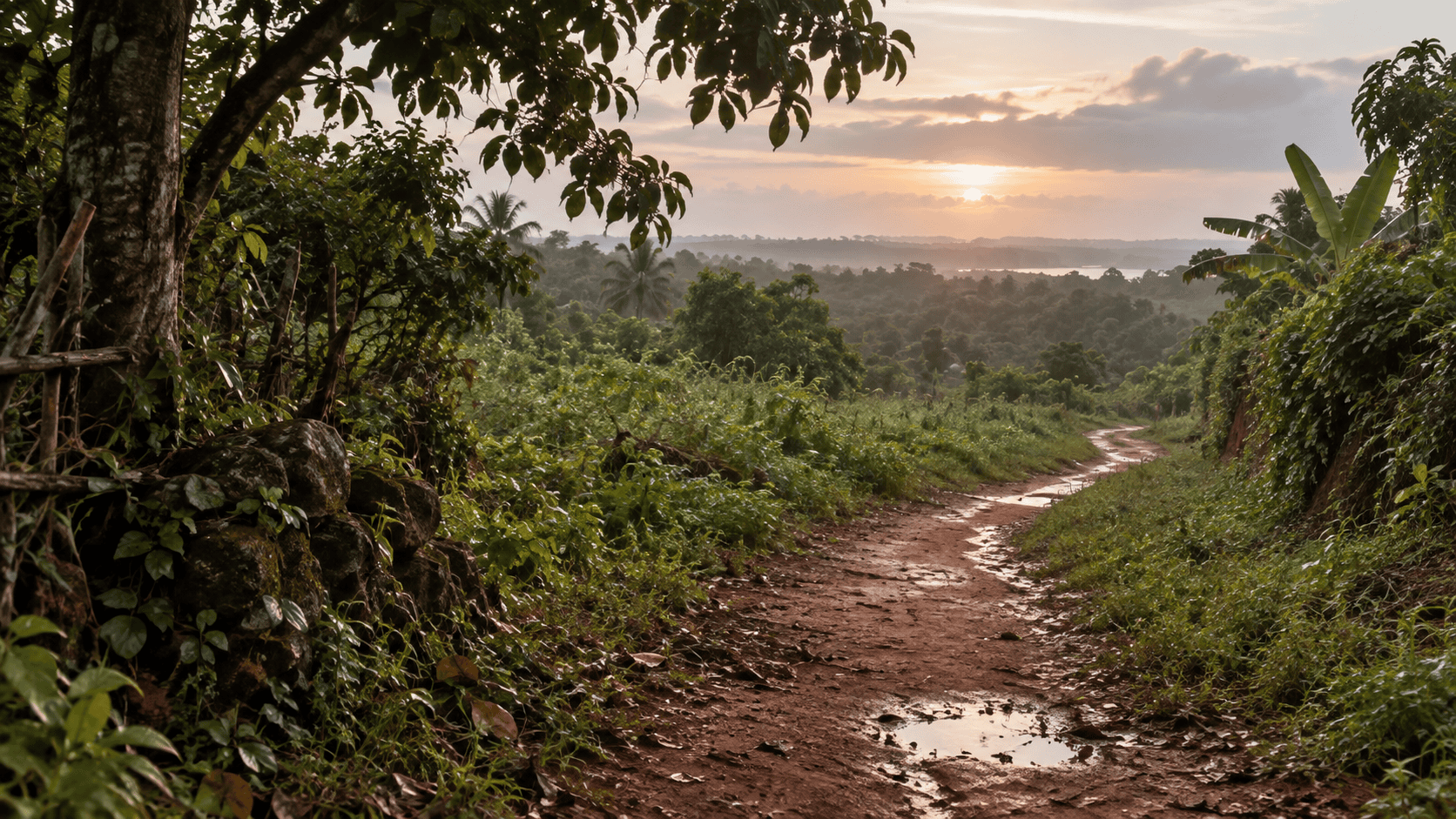
Note: Image was generated using artificial intelligence for illustrative purposes and does not depict an actual location.
Want to keep updated on Kupenda’s work?
Follow us on Facebook, Instagram, LinkedIn, YouTube, and X.
Learn more about Kupenda in our podcast.
Sign up for our newsletter.


Leave a Reply