When One Mother Finds Her Voice, a Community Finds Its Strength
by Violet Paiva
Posted on September 4, 2026
From Uncertainty to Understanding
When Nikiti first noticed that her six-month-old son could not sit on his own, she did not know what was wrong. Like many parents raising a child with a disability, she faced uncertainty and questions in a community where disability can carry deep stigma. But Nikiti’s story did not end with uncertainty. It became a story of connection, knowledge, and community.
Across the world, disability is understood in very different ways. In some communities, children with disabilities may be associated with evil spirits, curses, divine punishment, or even the belief that disability is contagious. These beliefs can lead to discrimination, isolation, and, in devastating cases, violence or abandonment. Stigma can also prevent families from seeking medical care or reaching out for support. Parents may feel ashamed or alone, unsure of where to turn.
Turning Fear Into Knowledge
This is where community can make a difference. Organizations like Kupenda work directly with communities to replace fear and misunderstanding with knowledge, acceptance, and action. Through Kupenda’s disability training programs, parents, pastors, government officials, traditional healers, caregivers, and other community members learn about disability, inclusion, and the rights of people with disabilities.
These trainings can help challenge harmful beliefs and encourage community members to take action. Kupenda’s training program evaluation found that many participants changed their beliefs about disability and went on to support children with disabilities in their communities.
Sometimes, one conversation leads to many more. Disability trainings can also help spark support groups where parents and caregivers share their experiences, exchange information, and connect with resources.
Finding Strength in Community
Support groups provide something information alone cannot: connection. They give parents a space to discuss difficult emotions, celebrate successes, share resources, and remind one another that they are not alone.
Nikiti experienced this firsthand. After realizing that her son was not developing as expected, she attended a Kupenda disability training. She learned more about her child’s rights and was connected with resources that helped her understand what was happening. Her son was assessed by a physiotherapist, who found that the lower part of his body had been affected.
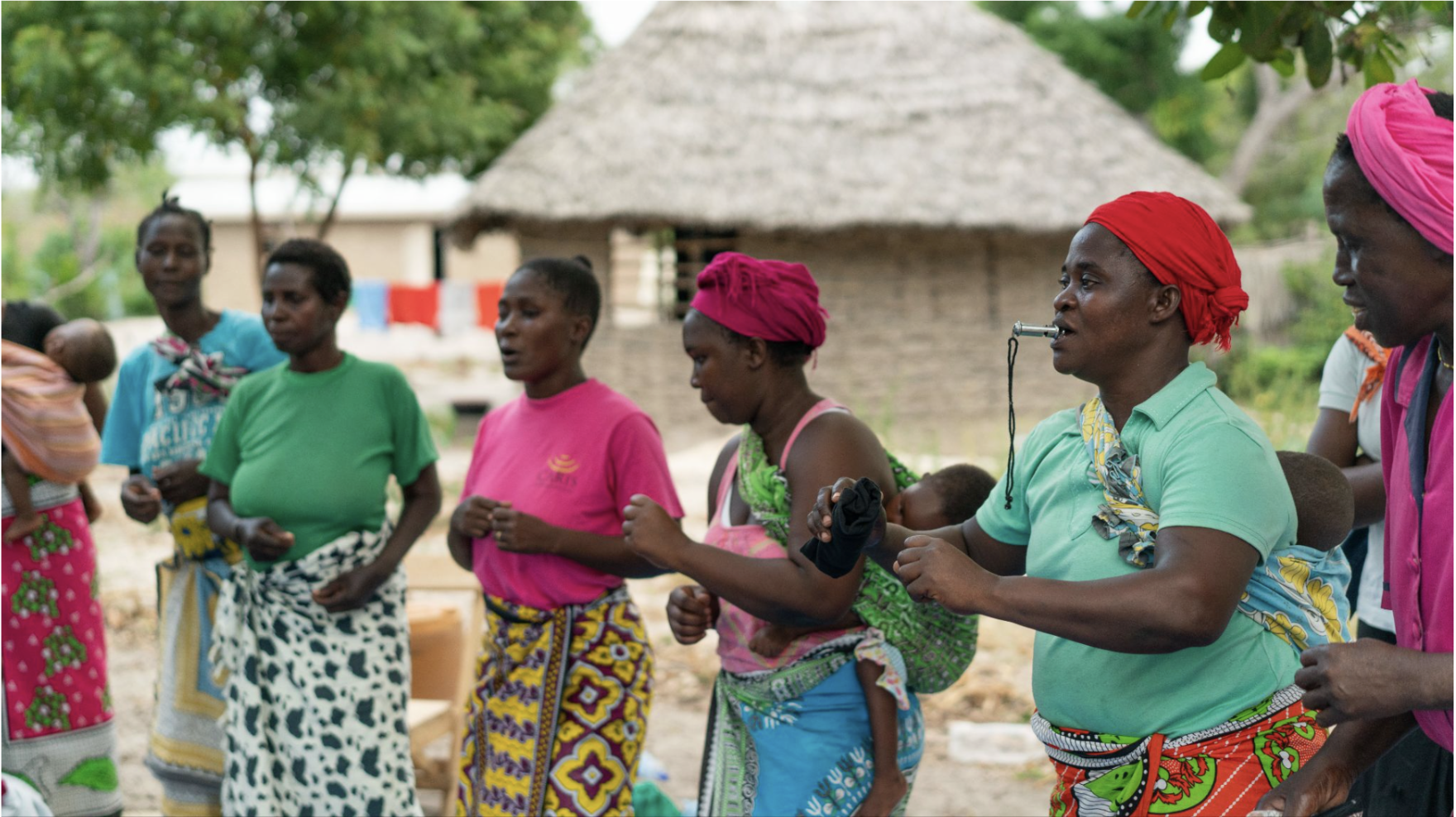
But the support did not stop with medical care. Nikiti also joined a support group with other mothers navigating similar experiences. Together, they created a space where they could speak openly, support one another, and even express themselves through song.
Their message reached beyond the group. Seeing the mothers come together encouraged other parents to step forward and join. Families who may once have felt ashamed or afraid began to see that they were not alone.
Building a Stronger Support Group
Communities hoping to start their own support group can take a few simple steps:
- Set meeting dates in advance so members know when and where to gather.
- Create a group agreement that establishes expectations for respectful and supportive conversations.
- Identify a shared goal. This could include sharing information, connecting families with services, providing emotional support, raising awareness, or advocating for greater inclusion.
The goal does not need to be complicated. What matters is that the group belongs to its members and gives them a reason to keep showing up for one another.
From One Voice to Many
Nikiti’s story reminds us that change can begin with something small: a question, a training, or even a song. By finding community, Nikiti and the other mothers helped create one for others. Their courage encouraged more parents to step forward, challenge stigma, and find their voices.
When people come together, a small beginning can become something much bigger: a community where no child has to be hidden, no parent has to feel alone, and everyone has the opportunity to be seen, heard, and included.
Want to keep updated on Kupenda’s work?
Follow us on Facebook, Instagram, LinkedIn, YouTube, and X.
Learn more about Kupenda in our podcast.
Sign up for our newsletter.


Leave a Reply