From Rejection to Belonging: How One Community Health Promoter Helped Transform a Family’s Life
Posted on August 24, 2026
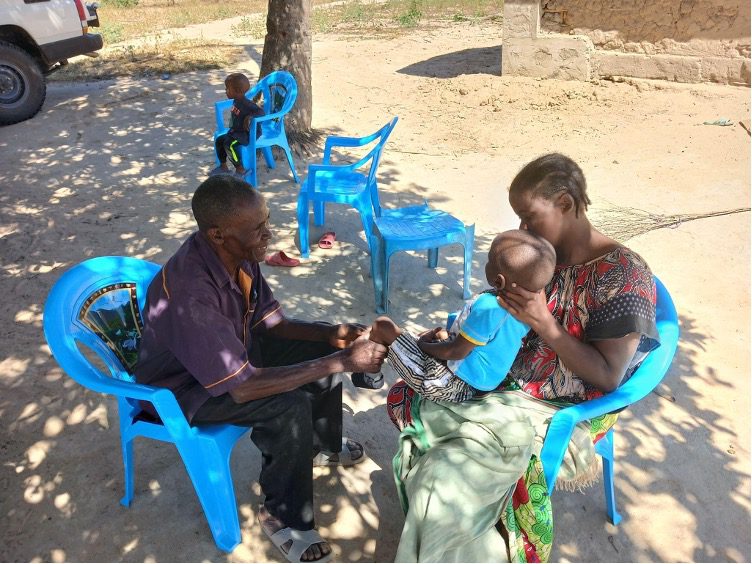
For Sanita, raising her young son Ezekiel, who has a disability, once meant facing stigma, isolation, and uncertainty about where to turn for help. Today, Ezekiel is receiving regular therapy, relatives are helping with his care, and their community has become more accepting.
Daniel, a local Community Health Promoter (CHP) equipped through Kupenda’s disability advocacy training, helped make that transformation possible.
Facing Disability Stigma and Isolation
When Sanita first noticed signs that Ezekiel might have a disability, she sought medical care and was advised to begin therapy. However, like many parents in her community, Sanita did not yet have a clear understanding of the medical causes of disability, what Ezekiel’s disability meant, or how therapy could help him.
Another parent encouraged her to seek healing prayers, and a pastor told her that demons had possessed her during pregnancy and caused Ezekiel’s disability. Wanting to do everything she could to help her son, Sanita followed the guidance she had been given, turning to fasting and prayer in hopes that Ezekiel would be healed. Without a clear medical understanding of his disability, these messages shaped how she understood Ezekiel’s disability and how the recommended therapy could support his development.
At home, the situation became even more difficult. Extended family members excluded and stigmatized both Sanita and Ezekiel, leaving her to care for him largely on her own.
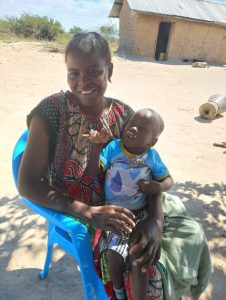
Sanita with her son Ezekiel
“I got tired, disappointed, and had a lot of thoughts about why my first child had a disability,” she recalled.
A Community Health Promoter Steps In
The family’s circumstances began to change when Daniel, a local CHP who visits households and connects families with health services, visited their home.
For Sanita, simply having someone take an interest in Ezekiel and listen to what she had been experiencing was significant.
“For the first time, someone was interested in knowing how my child was doing,” she said.
After listening to Sanita’s experiences, Daniel organized a family meeting to talk about Ezekiel’s disability.
During the meeting, Daniel talked with family members about the rights of children with disabilities, including their rights to healthcare, education, food, shelter, and inclusion. He also discussed the importance of family support, love, and caregiving.
The conversations began changing the way the family understood disability.
Turning Understanding into Action
Daniel did more than provide information. He also helped Sanita understand how therapy could support Ezekiel’s development and connected them with the medical services he needed. Daniel accompanied them to receive therapy and continued to make regular home visits afterward.
With this encouragement and support, Sanita began taking Ezekiel to therapy consistently.
She soon noticed changes not only in Ezekiel’s health but also within her family.
Relatives who had once distanced themselves began helping with transportation costs for therapy appointments and reminding Sanita about scheduled visits. They also started helping care for Ezekiel, giving her time to complete household responsibilities and look for casual work to help support the family.
“My family now supports me,” Sanita said. “The family beliefs about disability have changed, and they now include us.”
Finding Acceptance Beyond the Family
The change has extended into the surrounding community as well.
According to Sanita, people who once stared at Ezekiel or called him hurtful names have become more accepting. She also feels less alone knowing that she has someone she can contact when she has concerns.
“Stigma is not only for the children with disabilities, but even the mother faces a lot of discrimination, isolation, and rejection,” she said. “Through regular visits from [Daniel], I feel I’m not alone in this journey of raising my child who has a disability.”
Equipping Local Leaders to Create Change
The experience also transformed Daniel’s understanding of his own role in supporting families impacted by disability.
Before participating in Kupenda’s disability advocacy workshop, Daniel said he did not pay much attention to disability-related issues in the households he served. The training gave him the knowledge and confidence to recognize when families needed support and to approach them directly.
He said, “The workshop was eye-opening. … It made me confident in approaching disability cases within my households.”
For Sanita and Ezekiel, that confidence translated into something tangible: regular access to therapy, greater support at home, less stigma in the community, and a mother who no longer feels she has to navigate her child’s disability alone.
Want to keep updated on Kupenda’s work?
Follow us on Facebook, Instagram, LinkedIn, YouTube, and X.
Learn more about Kupenda in our podcast.
Sign up for our newsletter.




Leave a Reply