Caught Between Generations: The Hidden Toll of Sandwich Caregiving
by Kupenda
Posted on September 16, 2026
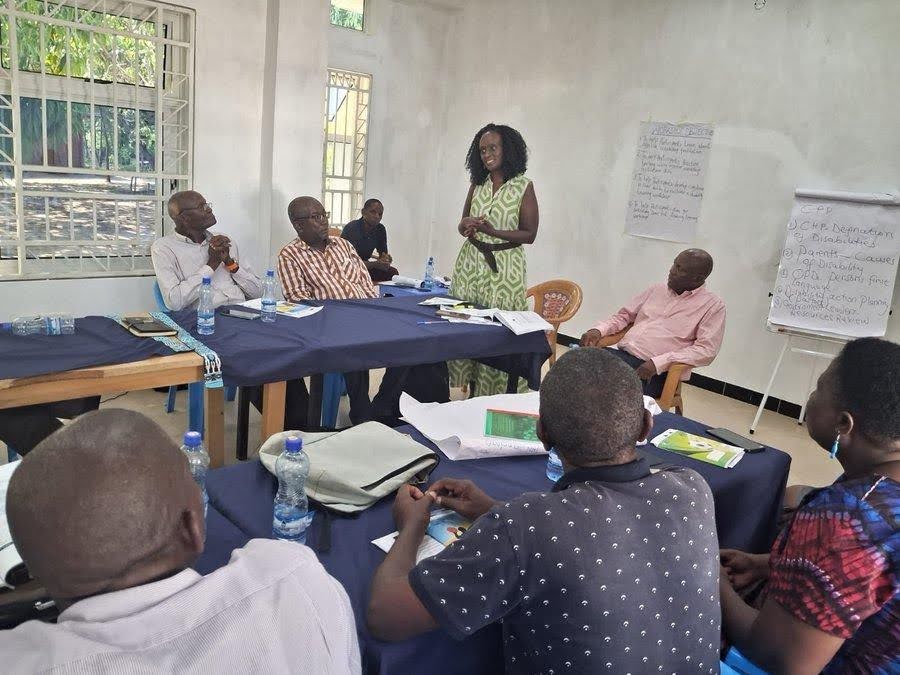
Sandwich caregivers (SCGs) are individuals who simultaneously care for dependent children and aging relatives, with disability sometimes adding to the caregiving needs of either generation. Sandwiched between generations, SCGs often provide this care without pay, recognition, or adequate support.
Many SCGs are women between the ages of 30 and 60 who manage multiple caregiving responsibilities within their households. Over time, these demands can contribute to chronic stress, anxiety, depression, and burnout, which may go undiagnosed and untreated, particularly in rural communities.
The effects can also extend to SCGs’ physical and financial well-being. Prolonged stress may increase the risk of hypertension, cardiovascular disease, and other health concerns. Meanwhile, expenses such as transportation and medication, combined with lost income when SCGs must stay home to provide care, can deepen financial hardship.
An Overlooked Public Health Challenge
Despite the scale of these challenges, many public health systems do not adequately recognize or address the distinct needs of SCGs. As a result, they are often left to manage emotional distress, physical exhaustion, and economic instability with little formal support.
These burdens can be especially intense for SCGs supporting family members with disabilities. They may face additional demands related to supervision, health care, transportation, stigma, and advocacy, often within systems that remain inaccessible or under-resourced.
Doctoral Research with SCGs in Kilifi, Kenya
In 2025, Dr. Clara Sei partnered with Kupenda’s Kenya-based staff at Kuhenza to conduct a qualitative study examining the lived experiences of SCGs in Kilifi, Kenya and the perspectives and priorities of key stakeholders at the community, county, national, and regional levels. The research was part of her doctoral work in public health from George Washington University (Sei, C.J., et al, manuscripts in preparation).

The study explored SCGs’ mental health challenges, daily responsibilities, sources of stress, and the systemic barriers affecting their well-being. Dr. Clara Sei conducted in-depth interviews and focus group discussions with SCGs in Kupenda/Kuhenza’s network, along with key informant interviews with health care providers, government officials, non-governmental organizations, regional experts on older persons, disability, and human rights, and other local leaders.
By centering SCGs’ voices, the study revealed how disability, poverty, gender inequality, and limited access to services intersect to shape their lives.
Key Findings from the Study
• Informal support is vital but insufficient: SCGs described faith communities and other informal networks as important sources of belonging, encouragement, and nonjudgmental listening. However, these relationships cannot replace formal mental health services, financial assistance, respite care, and accessible health systems.
• Disability intensifies existing barriers: Disability can increase caregiving demands, transportation and medical expenses, stigma, and the need for continuous supervision.
• SCG distress is not an individual failure: Mental health challenges among SCGs reflect prolonged caregiving demands and systemic neglect, not personal weakness.
• Unpaid care is deeply gendered: Women perform five times as much unpaid caregiving as men, highlighting the need for policies and programs that recognize and reduce the disproportionate burden placed on women.
SCG’s Strength Deserves Recognition
SCGs described the emotional and financial toll of their responsibilities in powerful terms (Sei, C.J., et al, manuscript in preparation) and reveal not only the strain SCGs carry but also their remarkable resilience and care. Despite limited support and immense responsibilities, they continue providing critical care that sustains their homes and families. Their strength deserves recognition, but it should never be used to justify leaving them without the services and resources they need.
Strengthening Community-Based Support
Kupenda/Kuhenza continues to support SCGs by equipping community health promoters, faith leaders, and other local leaders to better understand disability, recognize the pressures families face, provide informed support, and connect them with appropriate services. Kupenda also connects families to medical care, education, counseling, livelihood opportunities, parent support groups, and inclusive community networks. Through these efforts, Kupenda/Kuhenza is helping ensure that families affected by disability do not have to navigate caregiving challenges alone.
We are deeply grateful to Dr. Clara Sei for the time, respect, and care she brought to this work, for her valuable contributions, and for drawing greater attention to this often-unrecognized group.
Sei, C. J. (2026). Empowering Sandwich Caregivers in Sub-Saharan Africa: Addressing the Dual Burden of Caregiving on Mental Health to Promote Well-being, Public Health, and Economic Stability – A Focus on Kenya (Doctoral dissertation). George Washington University. ProQuest Dissertations and Theses Global. (UMI/ProQuest No. 32859290) (Full text under embargo until 2028)
Want to keep updated on Kupenda’s work?
Follow us on Facebook, Instagram, LinkedIn, YouTube, and X.
Learn more about Kupenda in our podcast.
Sign up for our newsletter.






Leave a Reply